Skip to content

The tools we cook with

A stand mixer, a blender, a masticating juicer, a pasta maker, a chef's knife, and a couple extras. Here's what we actually use them for, whether you need one, and what to look for if you're buying.

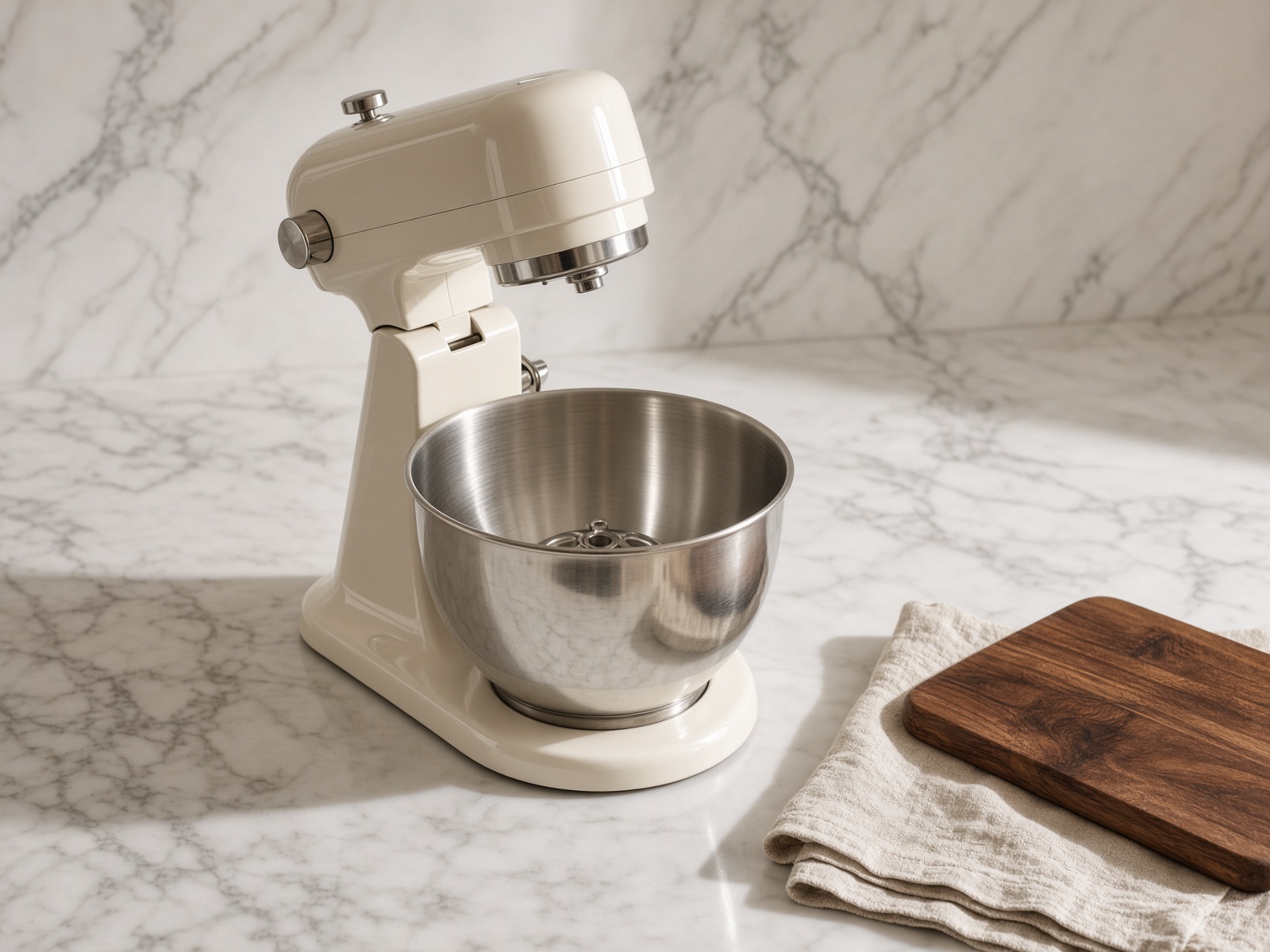
Cream enamel stand mixer with a stainless bowl on a marble counter beside a walnut board.

Bread, frosting, cookie dough

Stand mixer

What you'll use it for

If you bake often, a stand mixer quietly changes everything. The dough hook kneads sandwich bread while you grease the pan. The whisk turns egg whites and sugar into Swiss meringue so you're not standing over a bowl of steam with a hand mixer. And the paddle is just better at creaming butter and sugar than most of us are before coffee.

Do you need one?

You don't need one for a single birthday cake. You need one if homemade bread is becoming a habit, or if you've ever given up on buttercream because your arm got tired. If that's not you yet, a big bowl and a wooden spoon are still perfectly good tools.

What to look for

  • A 5-quart bowl covers almost every home recipe. Go bigger only if you regularly double batches.
  • A dough hook that actually reaches the bottom of the bowl — leftover dry flour in the corner is a mixer problem, not a you problem.
  • A motor that doesn't stall in brioche. Wattage on the box matters less than whether the head stays put.
  • A splash guard you'll actually use, and a design you can wipe clean in two minutes.
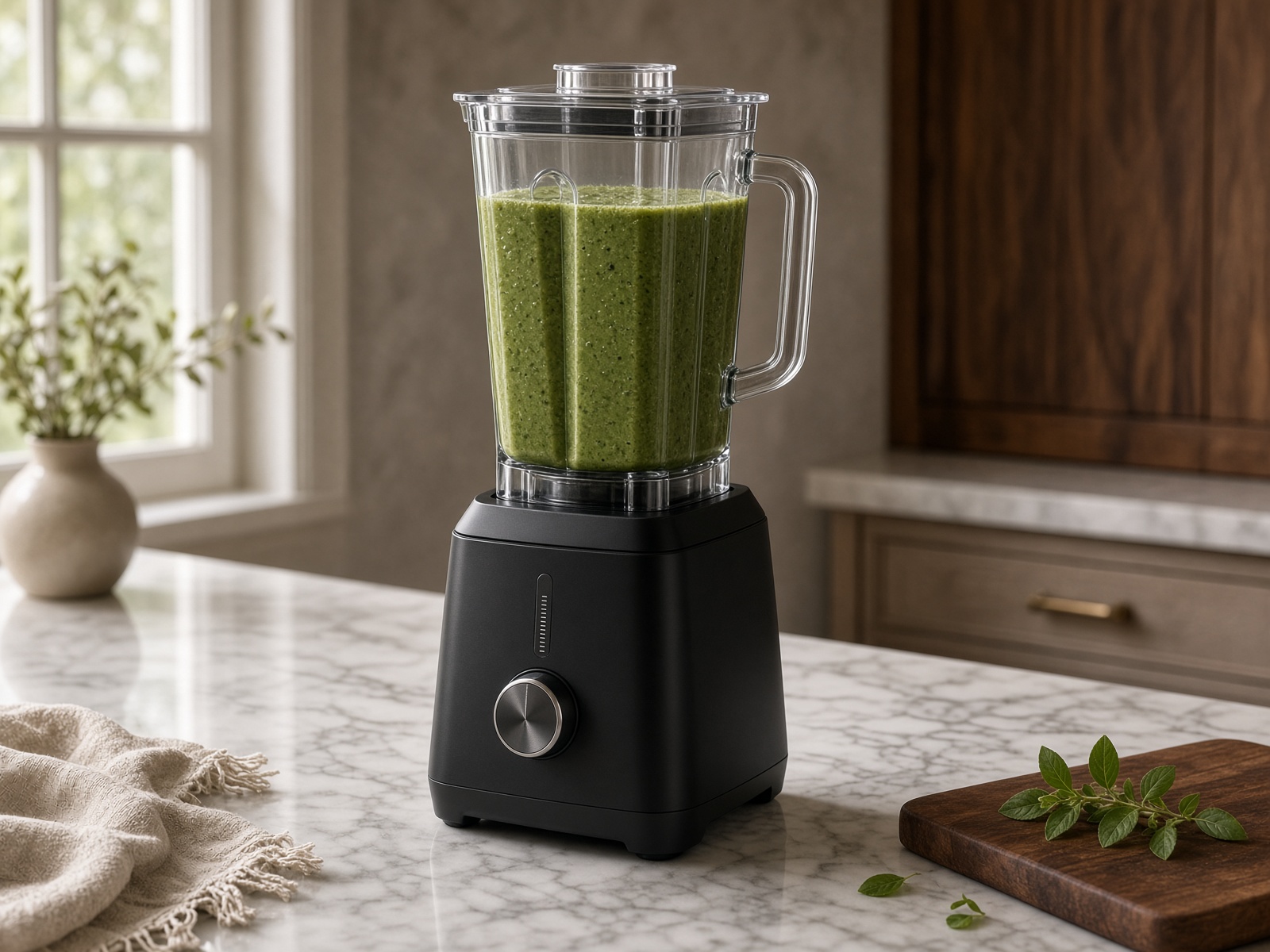
Tall high-speed blender filled with a green smoothie on a marble kitchen counter.

Smoothies, soup, nut butter

High-speed blender

What you'll use it for

A regular blender leaves little flecks of spinach and a slightly icy texture. A high-speed blender doesn't. It's the difference between a smoothie you drink because you should and one you actually want. Same jar, different job: roasted tomato soup, a quick nut butter, the occasional frozen dessert. Keep it going long enough and the friction will even heat a puree — handy for soup, less handy if you wanted it cold.

Do you need one?

If you blend breakfast a few times a week, or you love a silky vegetable soup, this is the upgrade. If you mostly crush ice for drinks, a simpler blender is plenty. The high-speed jar is for people who'll use the tamper and the speed dial, not just the smoothie button.

What to look for

  • A speed dial you can start low. Dumping a hot pot of soup on high is how lids decorate the ceiling.
  • A tamper that reaches the blades without touching them.
  • A jar that pours without dripping down the side, and a lid with a cap you can pop out so steam can escape.
  • A motor that doesn't smell hot after one thick smoothie.
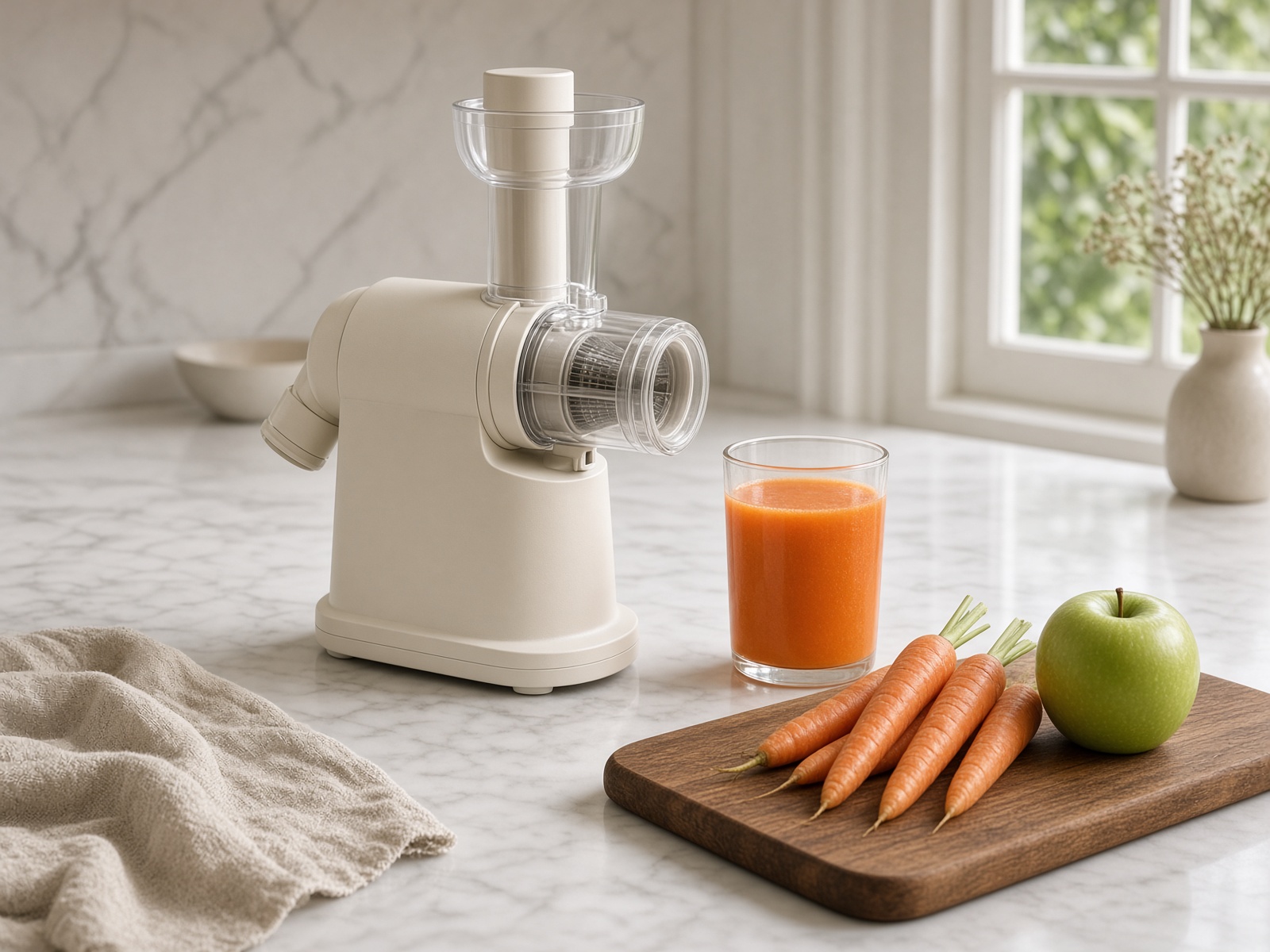
Cream masticating juicer on a marble counter with a glass of carrot-apple juice and whole carrots.

Carrot, apple, ginger

Masticating juicer

What you'll use it for

A masticating juicer chews fruit and vegetables and presses the liquid out. What you get is thinner and brighter than anything from a blender, because the pulp stays in the machine. Carrot-apple-ginger is the weeknight reason we plug it in. It's slower than a centrifugal juicer and easier to clean than it looks, once you've done it twice.

Do you need one?

If you already love a green smoothie, you may not need this. A blender keeps the fiber in the glass. Buy a masticating juicer if you want actual juice — no foam, no flecks — a few mornings a week. If it's a New Year's resolution, wait. Centrifugal juicers are louder and hotter; we skip those.

What to look for

  • A horizontal masticating (auger) juicer. Vertical ones save space; horizontal ones tend to handle greens and ginger with less fuss.
  • A pulp ejection you can empty without unscrewing the whole machine.
  • Parts that come apart into a sink, not a puzzle. If it takes a brush and a prayer, you'll stop using it.
  • A chute that fits a carrot without heroic pre-cutting. You'll still trim, but you shouldn't need a julienne first.
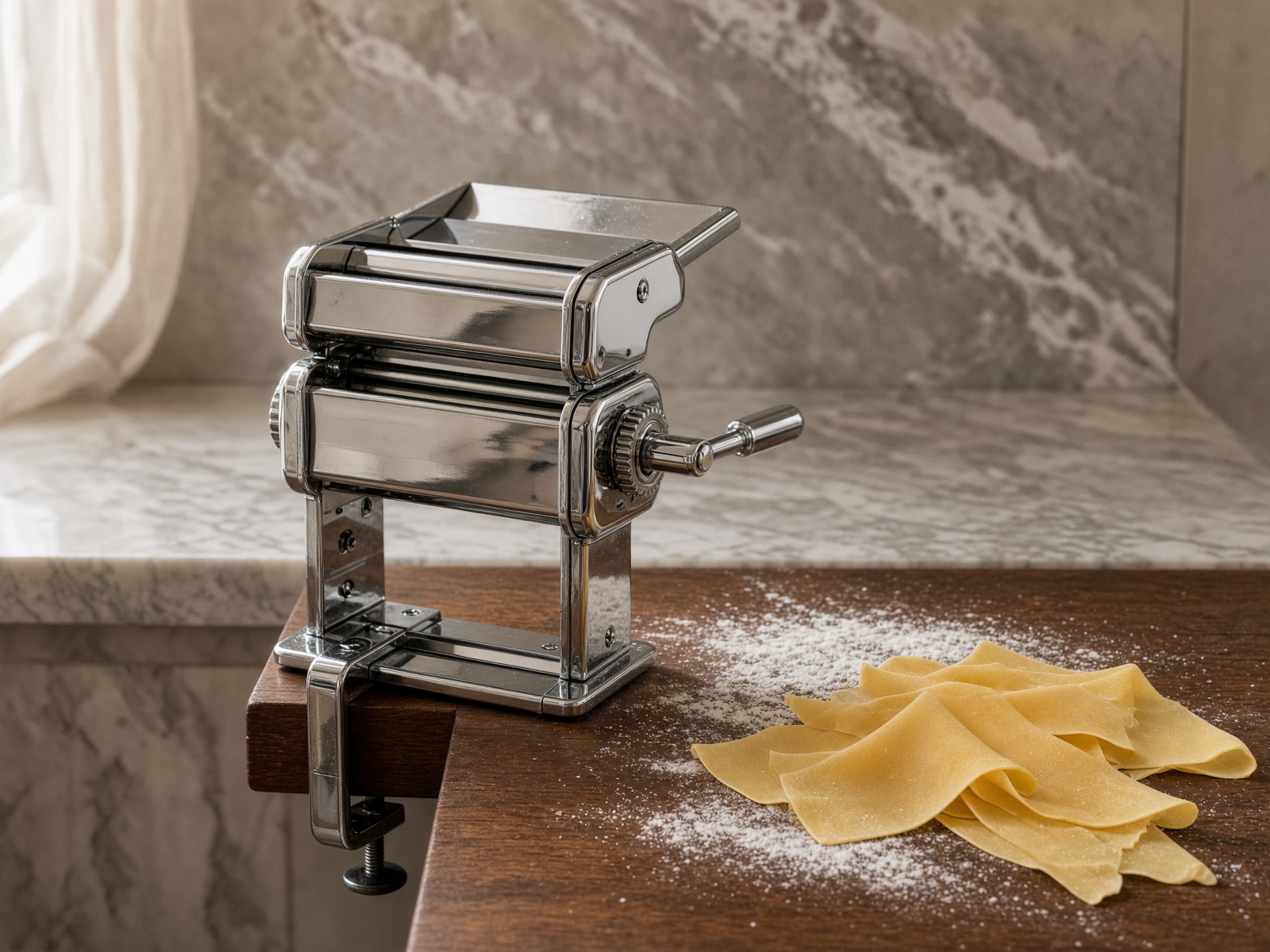
Chrome pasta roller clamped to a walnut table with sheets of fresh egg pasta.

Fettuccine, lasagne, tagliatelle

Pasta maker

What you'll use it for

A pasta maker is just a set of rollers that turn a rested egg dough into even sheets, then fettuccine or lasagne. You're not saving time so much as getting a thickness you can repeat — the same noodles every Sunday. Fresh pasta tastes like eggs and flour, cooks in a couple of minutes, and is one of those things people think is fussy until they try it.

Do you need one?

If you already like making a simple dough and you want it thinner and more even than a rolling pin usually gets you, you'll love this. Making pasta once? A pin is fine. Making it with people in the kitchen, talking, flour everywhere? The machine keeps the sheets consistent while you visit.

What to look for

  • Six or seven thickness settings, and a thin setting that doesn't tear the dough.
  • A cutter for fettuccine at minimum. Spaghetti and ravioli attachments are extras.
  • A clamp that stays put when the sheet gets wide. Walking pasta makers are the worst.
  • Chrome or anodized rollers you can wipe dry. Don't put this in the dishwasher.
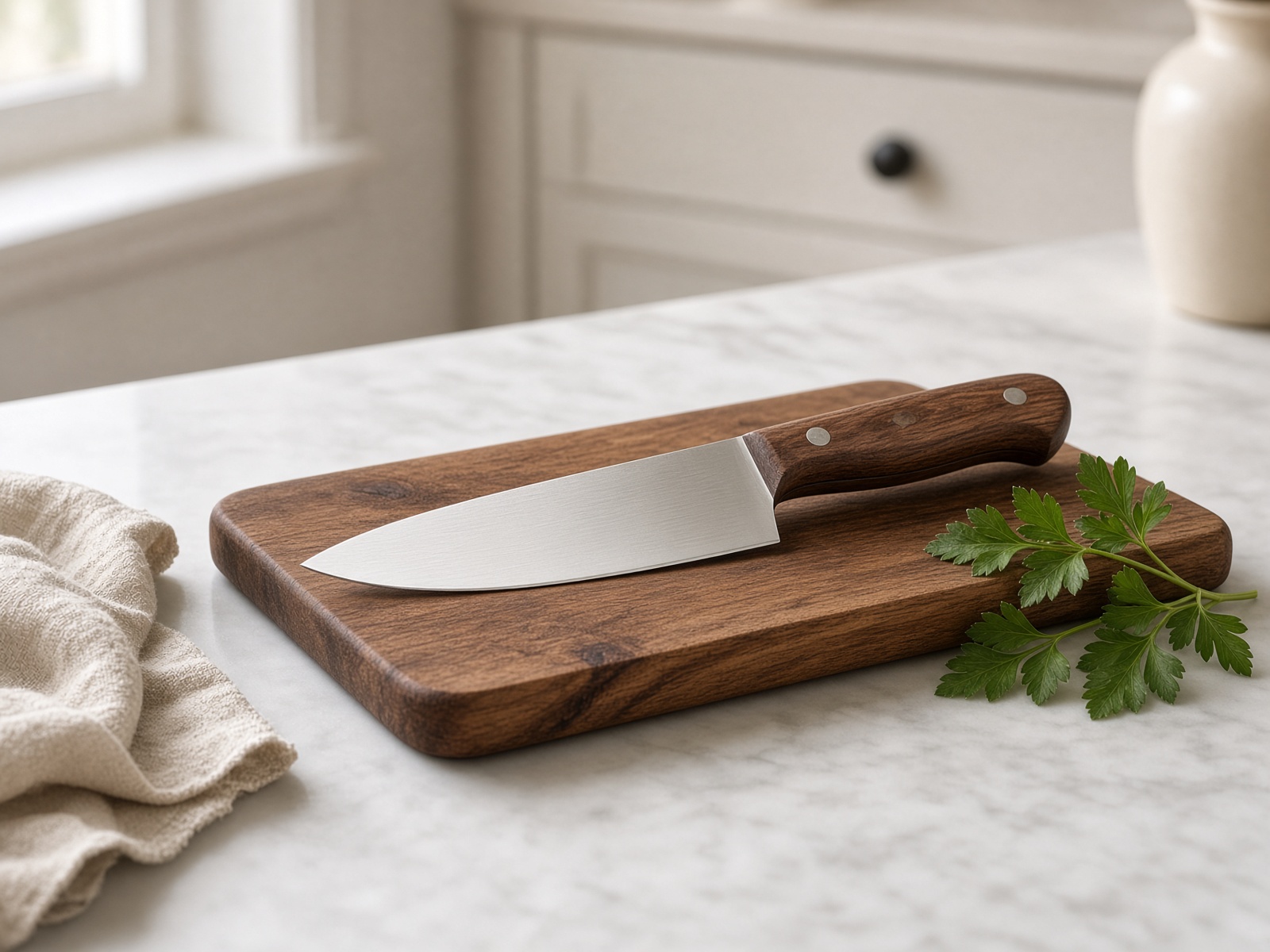
An 8-inch walnut-handled chef's knife on a walnut board with parsley, marble counter, north light.

The one that stays out

Chef's knife

What you'll use it for

A chef's knife is the tool we use more than the mixer. It chops herbs for salsa verde so you get little leaves and capers, not a green puree. It dices an onion, splits a chicken, and makes the even cuts a dull knife turns into a mash. The method on this site names it when chopping — not blending — is the point.

Do you need one?

Everyone who cooks, honestly. You don't need a 15-knife block. You need one 8-inch chef's knife that you'll actually sharpen, and maybe a paring knife for the little jobs. If your current knife slides off a tomato, replace it or hone it before you buy anything else on this shelf.

What to look for

  • An 8-inch (20 cm) chef's knife. Bigger is mostly for show. Smaller turns into extra work.
  • A thin Japanese blade if you like precision (that's the MAC). A heavier German knife if you want more heft for squash and chicken.
  • A handle you can hold wet. Pakkawood on the MAC is sealed and stays put.
  • A honing steel you'll leave on the counter, and a real sharpening plan twice a year. Hand wash — dishwashers ruin these.
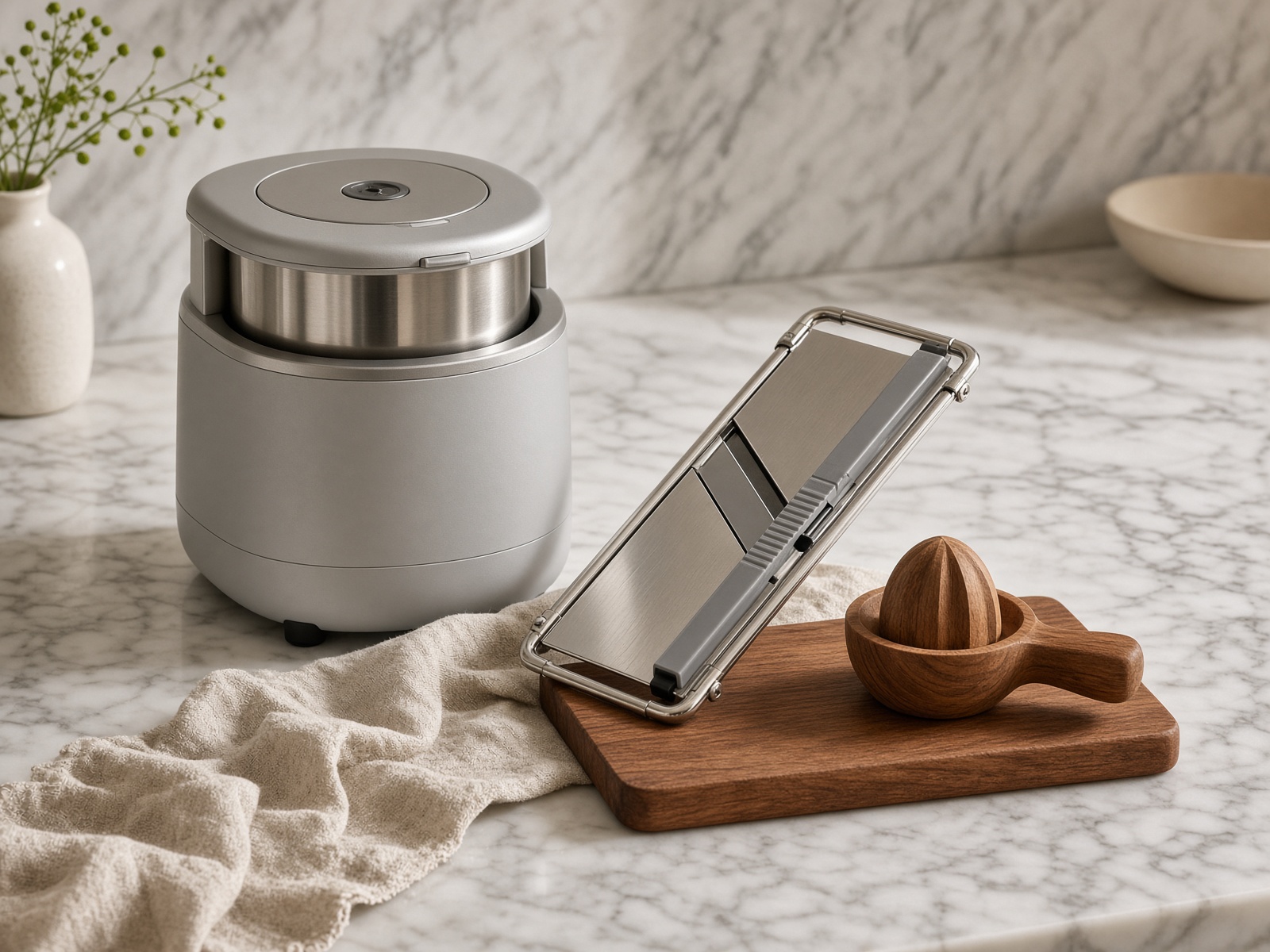
Ice cream maker, mandoline, and wooden citrus press arranged on marble with a walnut board.

Ice cream, mandoline, citrus

Specialty tools

What you'll use it for

These are the one-job tools. A compressor ice cream maker churns a custard you made on the stove. A mandoline slices fennel or potatoes evenly, which a knife can do — just not that evenly, that fast. A wooden citrus press is for the morning you need more than one lemon. None of them are gadgets. They're the things you miss when they're in the drawer at someone else's house.

Do you need one?

Buy an ice cream maker if you'll cook a custard. Buy a mandoline if you'll use the hand guard. If you only make ice cream in July, a freezer-bowl machine is enough — or skip it and wait. Same rule as the rest of this site: if the job happens twice a year, you probably don't need a special tool for it.

What to look for

  • Ice cream: compressor if you churn more than a couple times a month. Freezer-bowl if you can remember to freeze the bowl the night before.
  • A 1.5 to 2-quart canister, and a paddle that actually scrapes the sides.
  • Mandoline: a real hand guard, thickness stops that click, and a blade you can replace.
  • Citrus press: enough leverage for an orange, without spraying the counter.